News
Press Release

Altimetrik Opens Healthcare and Life Sciences Center of Excellence in Hyderabad
Launches PharmaOS as the Center’s first offering, taking clients from concept to validation in a week
Learn More

Artificial intelligence is transforming industries worldwide, and the automotive industry is no exception. While some automakers are leading the way with predictive maintenance and advanced battery management, others struggle to move beyond pilot projects that drain budgets without generating meaningful results.
The difference lies in approach. Too often, AI programs are launched from a technology-first mindset focusing on models and algorithms rather than the business problems they are meant to solve. This not only delays value but also leads to stalled initiatives when executives fail to see measurable outcomes.
Automotive manufacturers face one of the most complex data landscapes in business today. From sprawling supplier networks to legacy systems accumulated over decades, many companies juggle dozens of ERP platforms just for finance alone.
This complexity makes building unified data foundations extremely costly. Instead of enabling AI innovation, the effort to merge disparate systems often consumes budgets long before results can be realized. Worse, poor data quality erodes the accuracy of models, undermining trust in AI’s ability to guide decisions.
Despite these hurdles, real-world examples prove AI’s potential when it’s applied with discipline:
These use cases show that when business problems lead, AI becomes a true driver of efficiency, cost savings, and customer satisfaction.
The most effective way forward is to flip the traditional model. Instead of trying to build a massive data architecture upfront, organizations should:
This approach avoids wasted investment on endless curation and shifts AI from an IT-led experiment to a business empowerment tool.
AI offers the automotive industry a chance to boost efficiency, predict issues before they escalate, and elevate customer experiences. But real success means shifting focus from chasing technology to solving the problems that matter most.
Launches PharmaOS as the Center’s first offering, taking clients from concept to validation in a week

Vikas Krishan, Chief Digital Business Officer and Head of UK and EMEA at Altimetrik, explains in The Fintech Times why rising AI usage does not guarantee better business outcomes. As organisations adopt agentic AI, he calls for clearer links between cost, value and ownership. He also argues that changes to EU AI Act timelines should […]
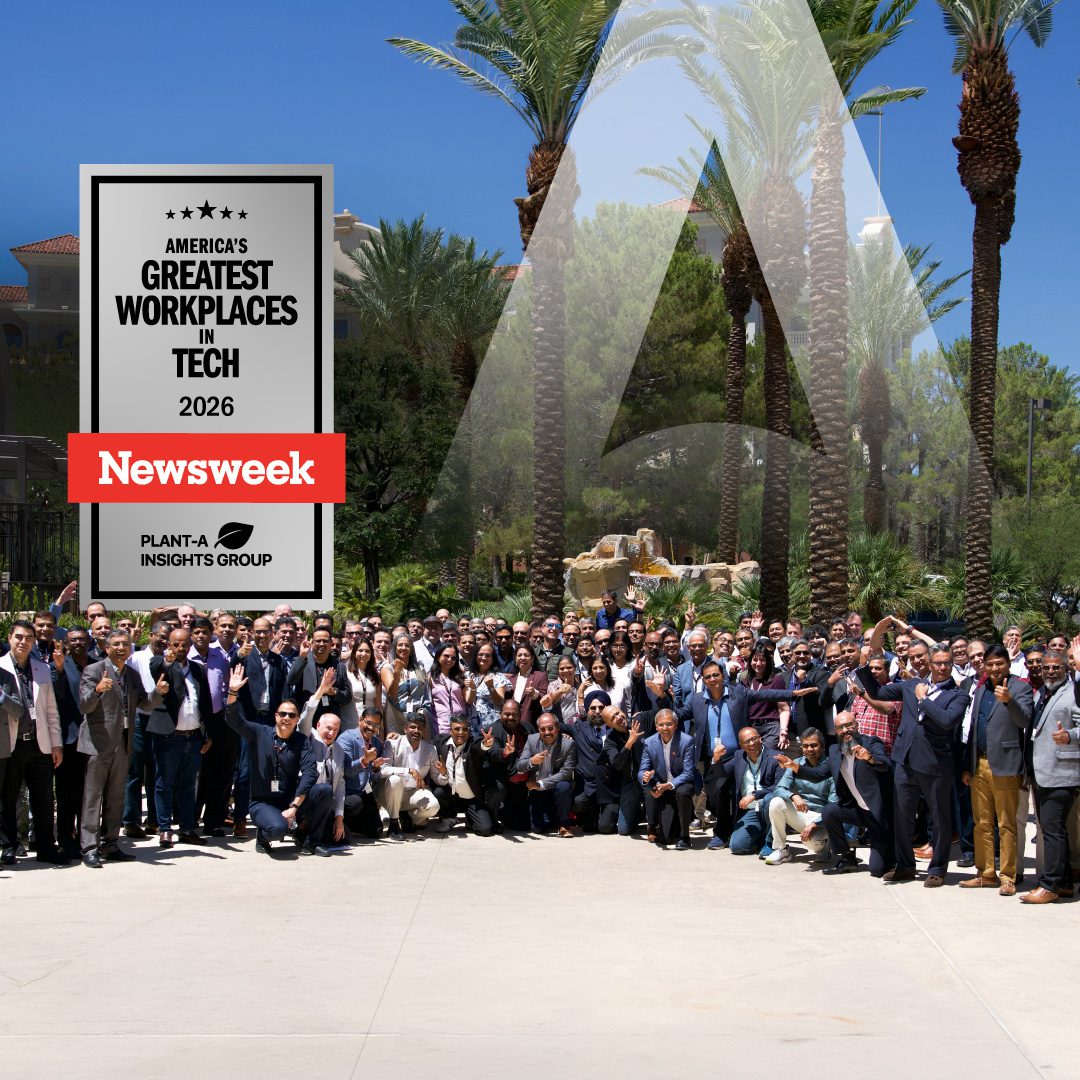
Altimetrik CEO Raj Sundaresan is featured in Newsweek, bringing our approach to AI, talent development and workplace culture to a global audience. Recognised among America’s Greatest Workplaces in Tech 2026, Altimetrik puts these commitments into practice through learning, experimentation and meaningful career opportunities. With more than 80% of our workforce having completed foundational AI training, […]
