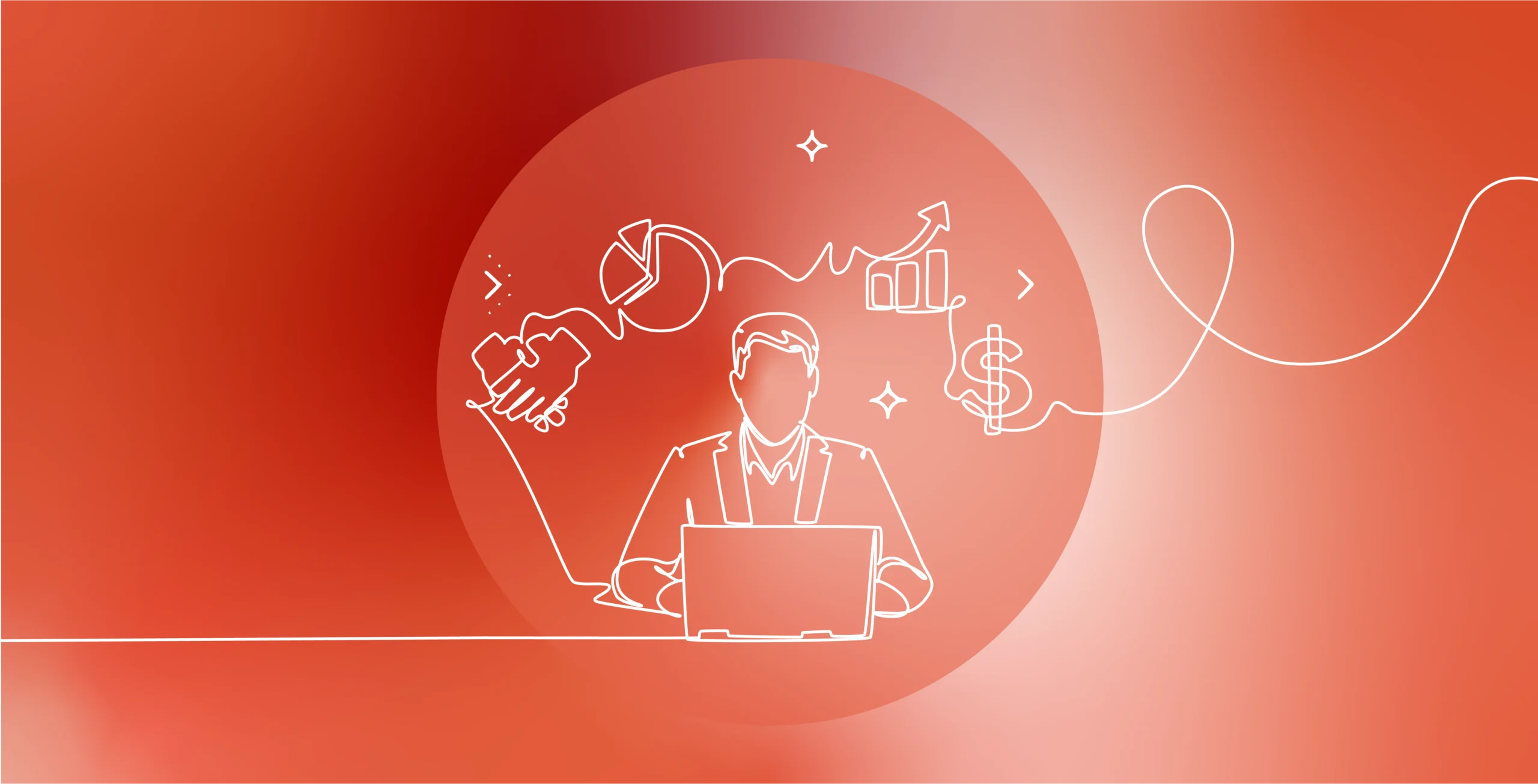
In today’s digital economy, talent has become more than a resource, it is the infrastructure of enterprise success. Whether scaling AI-ready product teams, onboarding cloud-native engineers, or cultivating adaptive leaders, the ability to attract, develop, and mobilize talent now defines competitiveness.
But the rules of the talent game are being rewritten. Hierarchies are dissolving into dynamic skill ecosystems. Workforces span geographies and time zones. Employees expect personalized growth journeys that match their aspirations. The workplace is no longer a place. It is an experience shaped by intelligence, equity, and agility and measurable outcomes.
Why Talent Transformation Can’t Wait
This shift is not a future risk; it is a present mandate. According to the World Economic Forum:
- 44% of workers’ core skills will be disrupted by 2027
- 6 in 10 employees will require reskilling or upskilling
- 83 million new jobs will emerge, even as 69 million are displaced
At the same time, McKinsey finds that 75% of enterprises already use AI in at least one business unit, with leaders seeing 3 to 5 times productivity ROI. The implication is clear. As AI transforms industries, talent itself becomes critical infrastructure.
Enterprises that continue to treat talent management as a transactional function will fall behind. Those that adopt AI-native talent solutions will build the resilience, velocity, governance and culture needed to thrive.
The Shift: From Administration to Intelligence
The challenge for enterprises is no longer about digitizing HR. The real opportunity lies in reimagining how talent systems work together to drive enterprise performance across the board.
- Smarter Acquisition: AI-powered automation accelerates sourcing, resume parsing, job description generation, candidate-job matching, and assessment scoring – ensuring the right match from the start.
- Agile Operations: Intelligent orchestration of HR processes, from onboarding to project staffing, reduces overhead, speeds mobility, and creates workforce agility.
- Intelligent Talent Coaching & Development: AI dynamically identifies skill gaps, recommends customized learning, and measures outcomes in real time. This turns L&D into a strategic growth engine.
This is not about automating transactions. It is about creating a living talent ecosystem that adapts continuously and aligns talent capacity with business strategy.
What our AI Talent Solution Looks Like
The AI Talent Solution combines modern architecture with applied intelligence to deliver outcomes at scale:
- AI-Powered Automation: Streamlines resume parsing, candidate-job matching, job description generation, and assessment scoring, ensuring right match.
- AI-Based Interviewing & Evaluation: Standardizes interview frameworks, improves decision quality, and increases hiring conversion rates while minimizing bias.
- Conversational AI for Document Collection: Engages candidates directly to collect required documents seamlessly, accelerating onboarding readiness.
- Credential & Background Intelligence embedded within operational workflows
- Real-Time Intelligence: Provides leaders with instant insights into skill availability, workforce gaps, and future readiness.
- Composable Integration: Connects seamlessly into existing ATS, HRIS, and productivity platforms with an API-first approach.
- Ethical AI by Design: Embeds transparency, governance, and fairness into every decision, ensuring employee trust and organizational integrity.
By embedding these capabilities, enterprises move beyond compliance-driven HR to build a strategic talent intelligence backbone.
The Outcomes: Smarter, Bolder, and Faster
Enterprises that deploy AI talent solutions see measurable business impact:
- 40% faster hiring cycles with intelligent candidate matching, globally.
- Significant recruiter operational efficiency gains, freeing time for engagement and relationship-building
- Bias-free decision-making across evaluation stages, improving diversity and equity.
- Higher ROI on L&D investments, with personalized learning increasing completion rates by up to 60%
These are not incremental improvements. They represent a fundamental shift toward a talent operating model built for the AI age.
The Road Ahead: Intelligence as Enterprise Infrastructure
As AI reshapes the future of work, the differentiator will not be how fast companies digitize, but how intelligently.
Talent is no longer a support function. It is the engine of enterprise transformation. AI-driven talent ecosystems will power not just workforce efficiency, but innovation, adaptability, and growth.
The enterprises that lead the next decade will be those that understand this: productivity is no longer about presence, but about purposeful performance scaled through intelligence.
FAQ
What does it mean to treat talent as enterprise infrastructure?
Treating talent as infrastructure means designing workforce systems with the same strategic importance as cloud or data platforms. It involves embedding AI, governance, and real-time intelligence into hiring, development, and workforce mobility to drive measurable business outcomes.
How does AI improve talent acquisition and workforce agility?
AI improves talent acquisition by automating candidate matching, standardizing evaluations, reducing bias, and accelerating hiring cycles. It enhances workforce agility through real-time skill visibility, intelligent staffing recommendations, and adaptive workforce planning.
Why is ethical AI important in HR and talent systems?
Ethical AI ensures transparency, fairness, compliance, and bias mitigation in hiring and employee development. Enterprises that embed governance by design build employee trust while protecting organizational integrity and regulatory alignment.
What measurable impact can AI talent solutions deliver?
Organizations adopting AI-driven talent platforms report up to 40% faster hiring cycles, improved recruiter productivity, and significantly higher engagement in personalized learning programs directly improving enterprise ROI.
How can enterprises prepare for AI-driven workforce disruption?
Enterprises must invest in reskilling, adopt skill-based workforce models, integrate AI into HR ecosystems, and align talent strategy with business transformation goals. Waiting increases risk of skill gaps and reduced competitiveness.
What differentiates AI-native talent solutions from traditional HR systems?
Traditional HR systems focus on record-keeping and compliance. AI-native talent solutions provide predictive insights, personalized growth pathways, skill intelligence, and intelligent automation that align workforce capacity with enterprise strategy.